

Does Creatine or Proteine Cause Hair Loss?


Does Creatine or Proteine Cause Hair Loss?
Today we’re going to discuss creatine and hair loss. By far one of the most common questions I’ve received over the last few years.

Does creatine cause hair loss or do protein powders cause hair loss?
Let’s sort of dispel that myth straight from the get-go. The short answer is no, creatine and protein powders don’t cause hair loss. But there is a potential contentious link between something like protein powder or creatine and individuals that are suffering from hair loss. Let’s understand that a little bit better.
The take-home message is that no creatine supplements do not cause that I’m aware of hair loss.
Let’s explain the mechanism of male pattern hair loss. We’ve discussed this a number of different times and basically, there’s it’s a genetic condition so you need to have the gene for hair loss and there’s a hormone in your body called testosterone and it gets converted into another form of that hormone called dihydrotestosterone or DHT and there’s an enzyme called the 5-alpha lactase enzyme that does that conversion.
If you have the gene for hair loss and you have high amounts of this DHT in the system it causes the hairs to thin out and fall out. That’s essentially your principle of androgenic alopecia.
So where does creatine fit into this?
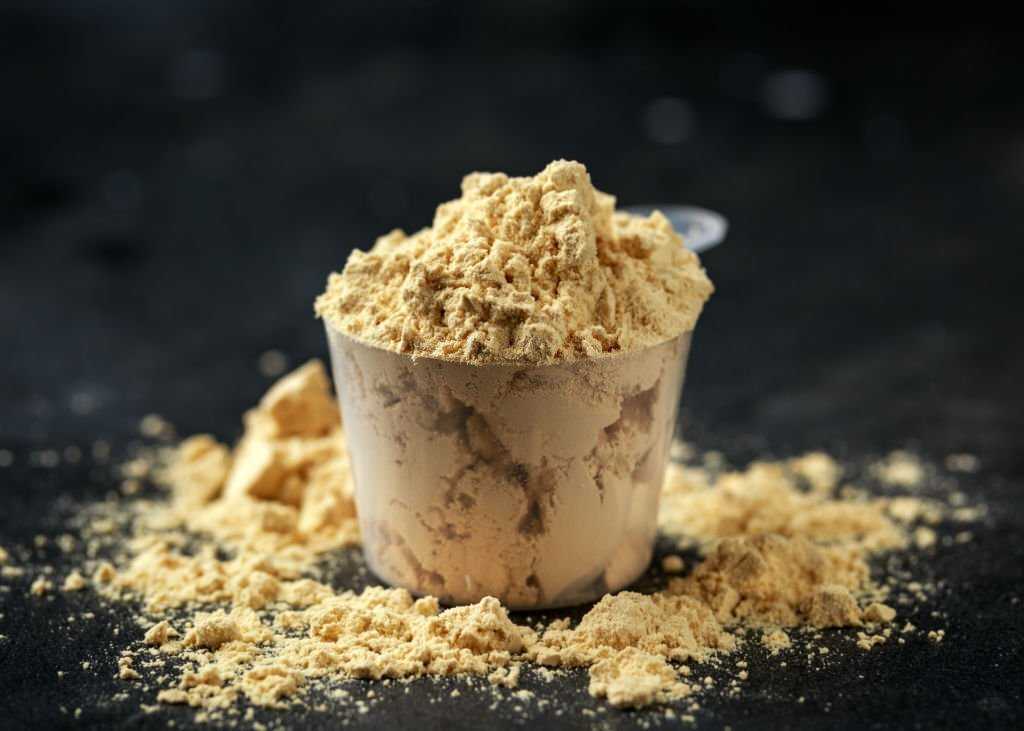
If you are someone that works out and you’re using some sort of workout supplement to be a protein powder’s creasing etc.
Essentially what you’re doing is you’re giving the muscles the raw nutrients it needs to be able to build more muscle. Because that’s what you’re trying to do if you if you’re an individual that’s working out. You’re trying to build more muscle. If you’re building more muscle then what you are going to do by definition over time is increase testosterone.
If you’re someone who increases their testosterone, that can be either exogenously adding testosterone or if you’re building muscle and increasing your testosterone level within the body.
Then potentially one could argue that there is a greater conversion to more of this stuff. So you’re going to have potentially more DHT so you could make an argument that by definition take it’s not necessarily the creatine that’s causing that, it’s the fact that you’re stimulating the muscle in that environment.
So you’re doing the working out that is causing a boost in the testosterone that is resulting in a boost of the DHT. So one could make the argument that most people that are working out are going to experience some form of an increase in their DHT, that may be true.
Does everyone who works out lose hair?

No, and that’s the point that’s the key issue that’s the key defining part of this and that’s the bit that you cannot control which is the genetics right. So you need to have the gene for hair loss.
If you do have the gene for hair loss and you increase your testosterone and you have that propensity to increase your DHT production in that environment potentially yes you may experience more hair loss but it’s not the creatine or the protein powder itself that has been causing that. It’s really the gene at the end of the day and that’s the bit you have no control over at all.
I hope that dispels that myth, I hope that it clears up that that concept is a very sort of simplistic view on things but I think that’s the idea here.


