

Everything To Know About Hair Loss Treatments For Men


Everything To Know About Hair Loss Treatments For Men
In the other posts, we looked at what causes male pattern hair loss also known as androgenetic alopecia, and busted some myths along the way.
But there is so much confusion out there about which treatments actually work and which treatments are bogus. Let’s clear things up right now by looking at all the scientifically backed treatment options that can help those of us going bold.
Natural therapies for hair loss

A common question I get from men is I don’t want to use any medications for hair loss isn’t there something natural I can use.
Answering this question helps to realize that androgenetic alopecia is a completely natural process. Men who lead a healthy lifestyle can still go bald if their genetics are programmed to shut off hair growth as they grow older.
So trying to stop male pattern hair loss requires us to swim against the tide and fight an otherwise normal process. Even though many supplements and shampoos claim to stop hair loss the science behind them is sketchy.
Dietary supplements for hair loss

Multiple studies have shown that dietary supplements do not help with male pattern hair loss unless there is an underlying deficiency.
For example, one study recommends vitamin d and iron supplements for people who are found to have low levels. But overall it is unusual for healthy men to be lacking key nutrients unless they have a restricted diet or an underlying medical condition.
Shampoos
Some shampoos claim to help with hair loss. They sometimes contain ingredients such as Saw Palmetto caffeine and an antifungal agent called ketoconazole.
Some low-quality trials show that there may be some benefits with these agents. These trials have a high risk of bias. For example, some of these trials lack a control group or don’t have objective measures of hair growth, or only test the product on a very small number of people.
That’s why these ingredients have not been elevated to the list of standard treatments for hair loss. So if you’re thinking of trying these products, it helps keep low expectations.
Tobacco and cigarette smoking accelerate hair loss
On the flip side, there is one thing that many men do that actually accelerates hair loss. In multiple observational studies, men who smoke cigarettes start balding earlier in life and lose their hair faster than those who don’t.
Framework for hair loss treatment options
Let’s talk about the most scientifically backed treatments for hair loss. In androgenetic alopecia hair follicles gradually become smaller and smaller until they die off. As the number of active hair follicles drops they leave behind a bold scalp. There are two categories of treatments for male pattern building.
First are hair loss stabilizers that help keep follicles alive to stop hair loss from progressing and in some men even achieve hair regrowth by converting small follicles to larger ones.
Some treatments replace hair in areas where hair follicles have already been lost in the second category.
Minoxidil
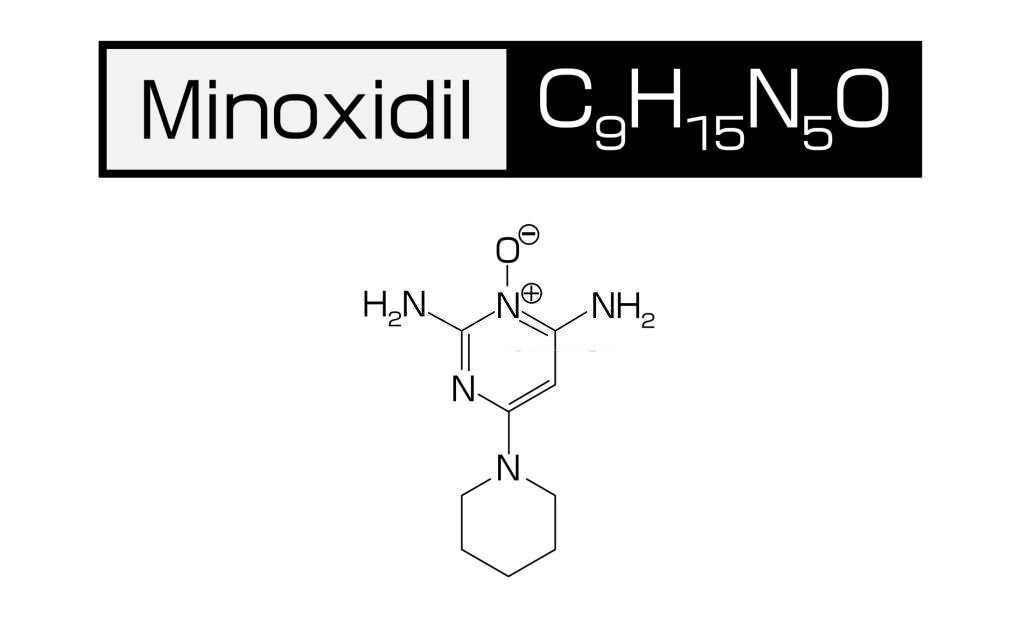
The two most established stabilizer treatments are minoxidil and finasteride. Both of these treatments are best started in the early stages of building so that they can stop hair follicles from dying out.
For most men, this is when they first notice that their scalp is more visible because by that stage around 50% of hair follicles may have already been lost. Minoxidil 5% comes in a foam or lotion that is applied directly to the scalp twice a day. It saves dying hair follicles by prolonging their growth phase.
More than 99% of the medicine stays on the scalp and is not absorbed into the bloodstream so it is very safe with few side effects.
The most common side effect is scalp itch and scaling which can be reduced by using the foam version rather than the lotion. Minoxidil works for many but not all men.
Minoxidil causes hair regrowth in about 15% of men and stops further balding in around two-thirds. Unfortunately around a third of men will experience ongoing hair loss despite using Minoxidil.
There are two main concerns that men have about Minoxidil.
First, in the initial months of treatment, hair can shed more quickly, making it look like minoxidil is accelerating hair loss. In fact, the increase in hair shedding happens because hair follicles are switching from the resting to the growth phase. So that’s why Minoxidil needs to be used for at least 6 months before judging whether it has been effective.
The second is that the treatment needs to be continued long-term remember that male pattern building is what the body naturally wants to do. So to stop this from happening continuous treatment is necessary otherwise the natural push lose hair will take over.
Finasteride
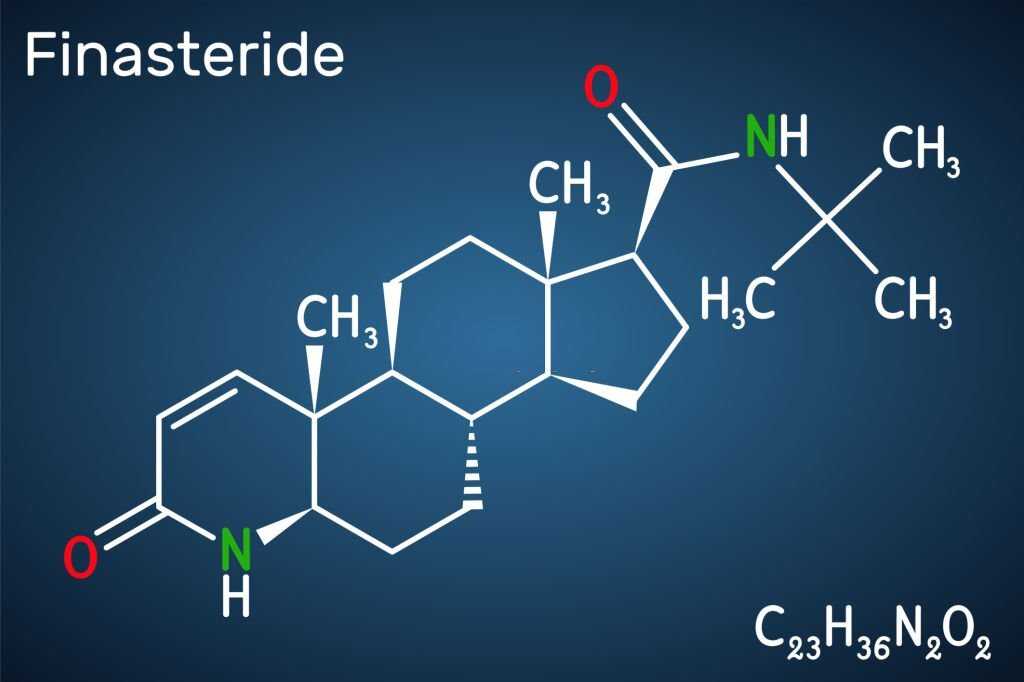
The other hair loss stabilizing treatment finasteride blocks the enzyme that converts testosterone to DHT which is called 5-alpha reductase. In response, DHT levels reduce while testosterone levels increase slightly.
Finasteride is more effective than Minoxidil as a hair loss treatment. It will cause two-thirds of men to experience hair regrowth and is successful in stopping further balding in almost all others.
Finasteride has no effect on only one out of every hundred men. Finasteride needs to be taken for two years to see its maximum effect. Just like Minoxidil treatment needs to continue over the long term for benefits to be maintained. The standard dose is a 1-milligram tablet taken once a day.
Finasteride side effects
Even though finasteride is a more effective treatment than minoxidil, the main concern men have is the risk of side effects, especially sexual function. This includes erectile dysfunction loss of libido and problems with ejaculation.
The best data we have about sexual side effects is from a 2010 study that combined 12 randomized controlled trials that compared Finasteride to placebo.
This study showed that in the placebo group 3 out of 100 men reported sexual side effects. For men on Finasteride, an additional two men out of a hundred reported sexual side effects.
Despite the horror stories sexual side effects from finasteride are not the most common experience. There are some reports of long-term side effects that persist even after stopping finasteride but these seem to be relatively rare.
Whether these side effects are worth the benefit will be up to each man to decide depending on how much balding bothers them.
Finasteride dose reduction to reduce side effects
One question that comes up often is about reducing the dose of finasteride to decrease the risk of side effects even further.
For example, some hair experts will prescribe finasteride at a dose of one milligram taken three times per week. While this wouldn’t be considered standard therapy there are some data backing up this approach.
The pilot dosing study for finasteride showed that men who took five milligrams of finasteride each day had a significant increase in hair counts compared to placebo. A subsequent study showed that 1 milligram a day was almost as good as 5-milligrams.
So 1-milligram became the preferred dose. But what isn’t mentioned very often is that even men who took 0.2 milligrams of Finasteride a day had a significant increase in scalp hair counts compared to baseline even though this was not as high as the one-milligram group.
So for men who are concerned about side effects low-dose finasteride can be a reasonable option. Decisions about dosing modifications should be made in collaboration with a hair loss expert to make sure you’re getting the right advice for your stage of hair loss.
Combination Minoxidil and Finasteride
Some of you might be thinking why not combine Minoxidil and Finasteride for even better results. That’s exactly what some men are prescribed. For men with more aggressive hair loss, both Minoxidil and Finasteride can be combined to provide even better results than either treatment alone.
Hair replacement treatment options
What about those men who are further along in the bowling process. Unfortunately, there is no treatment that can revive inactive hair follicles back from the dead. The two options for hair replacement are hair transplant surgery and camouflage products.
Hair transplant surgery
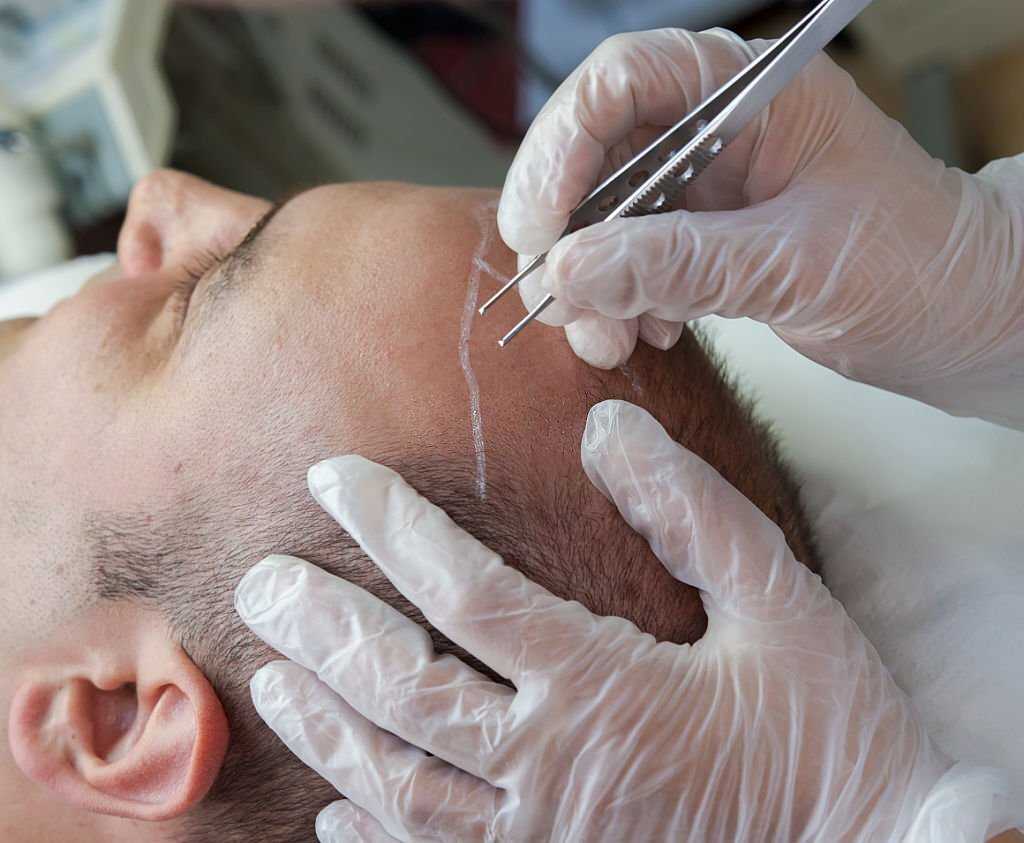
The principle of a surgical hair transplant is quite genius. As we know already androgenetic alopecia leaves behind a rim of hair around the ears and back of the head.
These hairs are genetically resilient to the boarding process. Hair transplant surgery takes advantage of this fact by moving hair follicles from the back of the head to cover the balding scalp.
Even though the concept sounds simple it takes a skilled surgeon to pull off a good hair transplant. Usually, hair transplant surgery is combined with finasteride or minoxidil to protect men from further hair loss.
Camouflage products
The other option for those who don’t want to have surgery is to use camouflaging products that hide hair loss. This can include spray-on products all the way to hair replacement systems. and they can provide some great results.
There are some emerging therapies for hair loss that are showing some promise. These include Low-Level Laser Therapy, PRP, and Dutasteride.


