

Derma-rolling/Micro-needling Everything You Need To Know


Derma-rolling/Micro-needling Everything You Need To Know
Today’s post it’s on derma rolling. We are gonna explain how it works, the benefits and the potential problems.
What is derma rolling for hair loss?

A-Derma roller is a device that you can buy. It is self-explanatory derm means skin, rolling means rolling something across the skin.
These are devices that are designed to use little needles that you roll across the skin that actually puncture the skin, your scalp.
That sounds horrible and it’s not painless but there’s a logic behind it. It sounds like that’s like torture really, but there is a logic behind it.
The same logic is used on several different fronts. For example, laser therapy is not laser in hair but if you’re doing laser resurfacing of the skin.
How does derma rolling work?
In essence, what you’re doing with the derma rolling is you’re making small little punches, you’re injuring your skin surface, and you are making small little ninja points on the scalp.
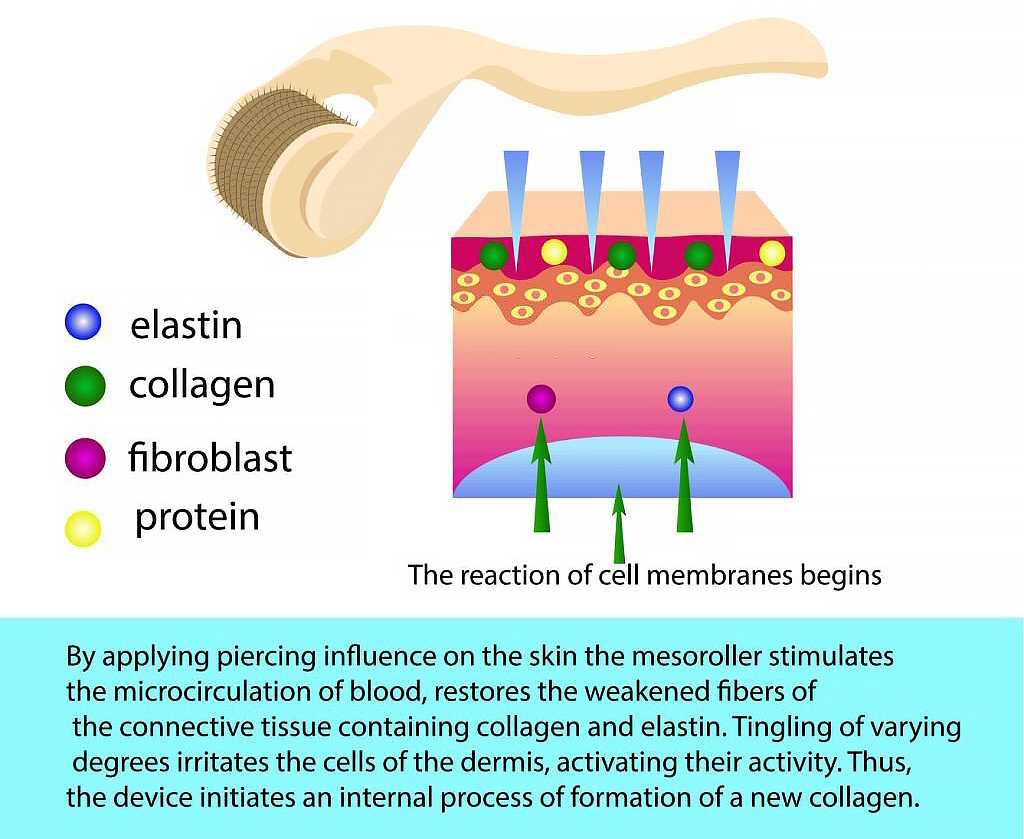
Doing so what happens is an increased blood flow to the area. There are increasing growth factors and inflammatory mediators that come to the area that essentially stimulate the hair in that area.
Basically, it’s a controlled injury, superficial injury to the scalp, hoping that by initiating a healing process, the growth factors won’t distinguish your trained healing the skin and strengthen the hair.
The thing to understand about derma rollers is that it comes at different depths.
Why do derma rollers have different depths?
The answer is that different people have different dermal thicknesses and so you may need a longer needle to cause the same outcome.
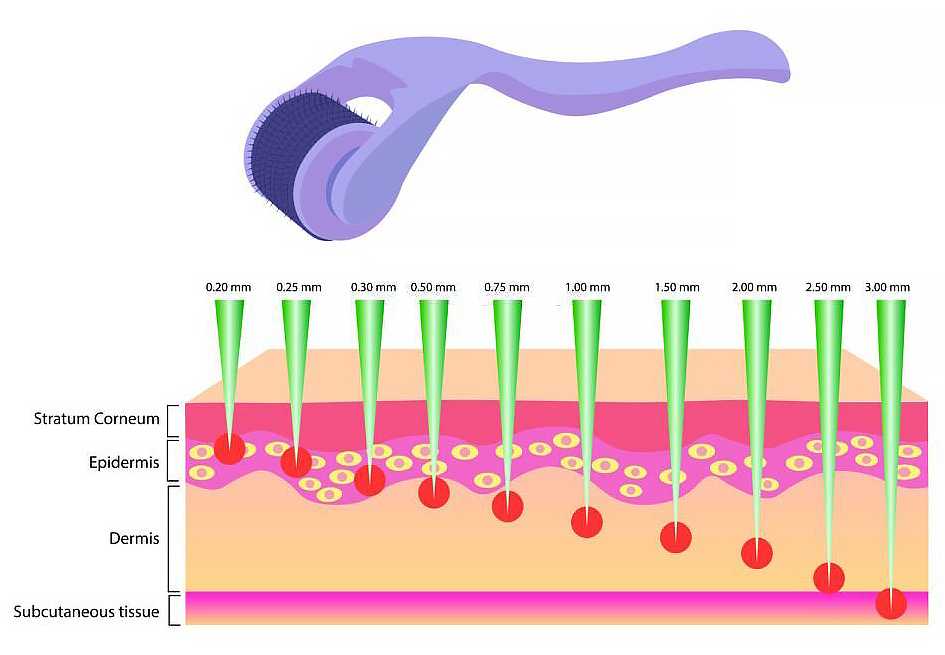
But there is also the other flip side of that is more injury. The larger the needle the more injury caused, the more injury caused the more growth factors and inflammatory markers come to come to the area.
The dark side of that is the potential for injury there.
What would be the ideal depth of a derma roller?
The short answer is the target area you’re trying for on the skin is typically around between 1 and 1.5 millimeters under the skin.
That’s where the stem cells in the Bulge area reside, which initiates growth in the hair follicles. So it sends signals to the base of the hair but it comes from this zone what we call the Bulge which is around about 1 to 1.5 millimeters on the skin.
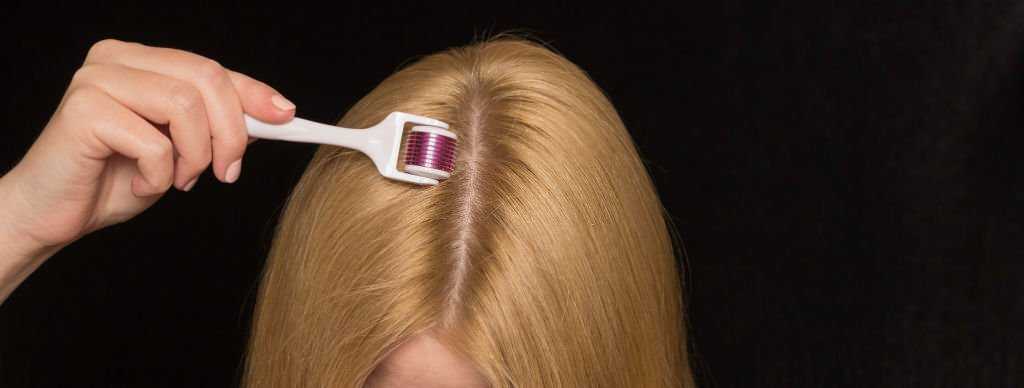
Ideally for hair, you’d look for something in the one-millimeter depth range or the 1.5-millimeter depth range because that means that the injury is in the area where the Bulge area and those stem cells reside.
If you’re doing skin rejuvenation which is another reason why people use derma rollers, skin rejuvenation, you don’t necessarily have to go quite as deep for your skin rejuvenation because you’re trying to work on a different part of the skin.
Yes, they come in needles that are half a millimeter deep 1.5 millimeters deep I would argue that you certainly don’t need anything more than 1.5 millimeters deep but something in the one to 1.5 millimeters range makes sense.
What is the risk of a long derma rolling needle?
The risk of that is that the longer the needle the more likely you damage the hair follicle. That’s why you wouldn’t go down at the 3 or 3.5-millimeter mark.
You do not want to be down to the hair follicle. But different people we don’t know where that is some people we operate on a lot of patients so just really have somebody with a bulb if you like sure don’t that’s a one-half millimeter that’s pretty rare but you can
One of the things that you can cause with derma rolling is a temporary shed because if the needle is near the bulge that’s fine but if you slice through the hair follicle that will cause damage.
Knowing that if you put enough inflammatory factors in there, yes, you can shed just as a response to inflammatory factors is not necessarily better.
How many times do you deed derma rolling?
We’re saying that this is not something you spend an hour a day doing. That’s really just not a sensible protocol to do because you’re just overdoing it.
It takes 24-48 hours for all that healing to really kick in. My advice is you wouldn’t want to do this more than 2 or 3 times a week.
You just don’t want to overdo it because you may be doing more harm than good if you overinflate the area.
Is derma rolling recommended as part of your regular routine?
The closest thing to compare is PRP, which works, that is the closest example. One of the things we’ve talked about PRP before is confusing because one of the things we don’t know about the RP is whether the needle going in to inject the PRP is doing more good than the PRP yourself.
The fact that we have to inject PRP into the scalp means we’re essentially doing a derma roller process.
I don’t rank them at the top end of our treatment chain because they are mildly invasive. We actually doing something painful, there’s penetrating to the skin which it’s not going to cause infection.
If you’ve got a clean derma roller you are not gonna cause infection but you are penetrating the skin and if you’re creating too much bleeding with it you’re potentially doing some damage.
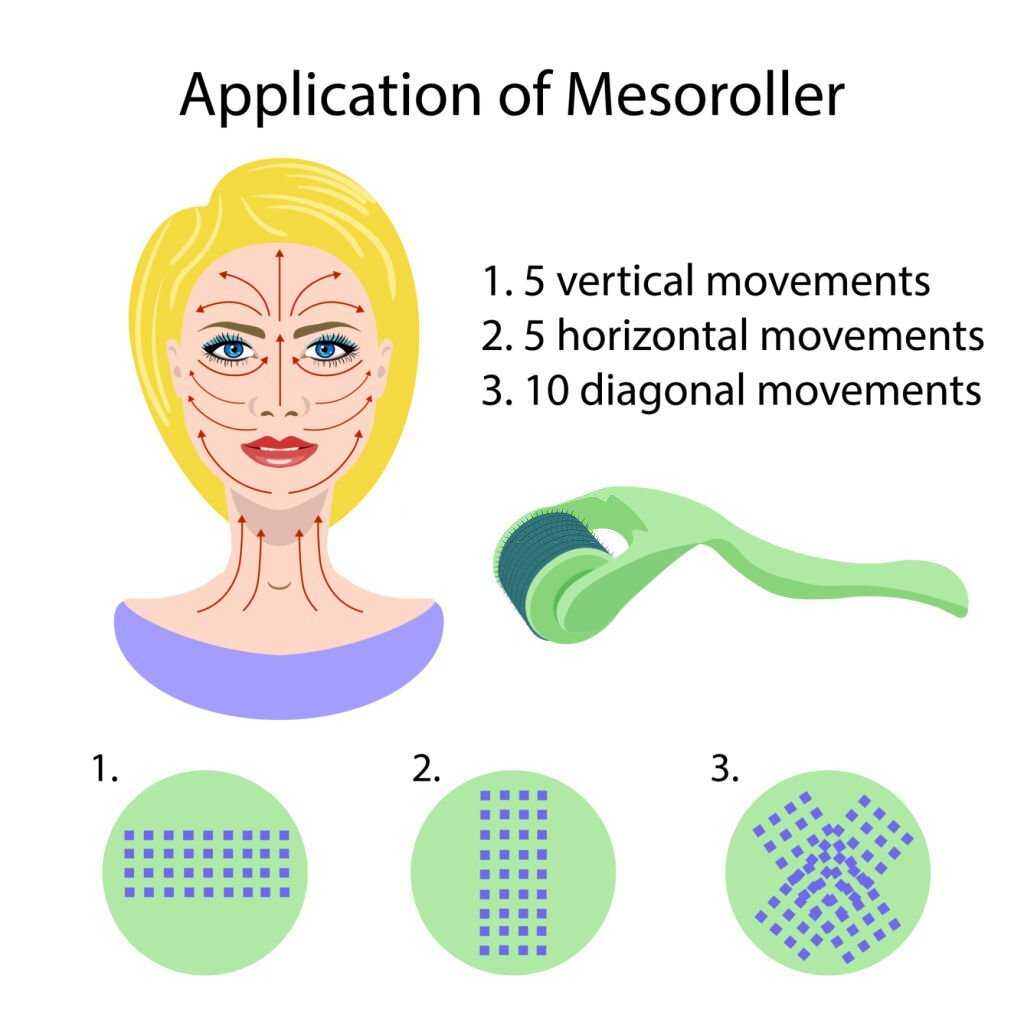
I’d say it’s kind of an add-on that we can use for some people once we’ve tried other things that are less invasive.
We’re not against derma rolling by any stretch of the imagination but it’s not probably the first thing that we would suggest on our armory of the management plan for hair loss.
It is on the stimulation side of the equation but behind things like Minoxidil and laser therapy.
Downsides of derma rolling
So derma rolling is good, it stimulates the hair so you can get a good outcome that way.
There are risks to it though you can experience short-term shedding if you damage the hair follicle in that process and there’s no real way of controlling that or preventing that.
Just remember about people with bolding is that the skin is thinning as part of the miniaturization process everything in the skin is militarizing as part of the balding process.
We know that the depth of skin in the balded areas is not quite the same depth as healthy skin in a person with no hair loss.
Careful on the usage of the derma rolling
We have to be a little bit careful, this is a self-initiated treatment and you can buy derma rollers on the internet which is absolutely fine. A little bit is good, but it will harm the scalp and damage the hair follicle if you do too much.
I do see people who are doing derma rolling wrong. It got to be used in the right area, so you’ve got to have an area with some early miniaturization.
If you’ve got a bald patch doing all the derma rolling you want is not going to regrow hair. So that’s either at the hairline for people develop a hairline if you’re in an area with no hair forget it, it is not going to work.
Remember what we said before if the hair shrinks to less than 50% of its original shaft thickness then we can’t make it healthy as it was before. Again you’re looking to put the derma roller through the mild thinning areas rather than the true bald areas.
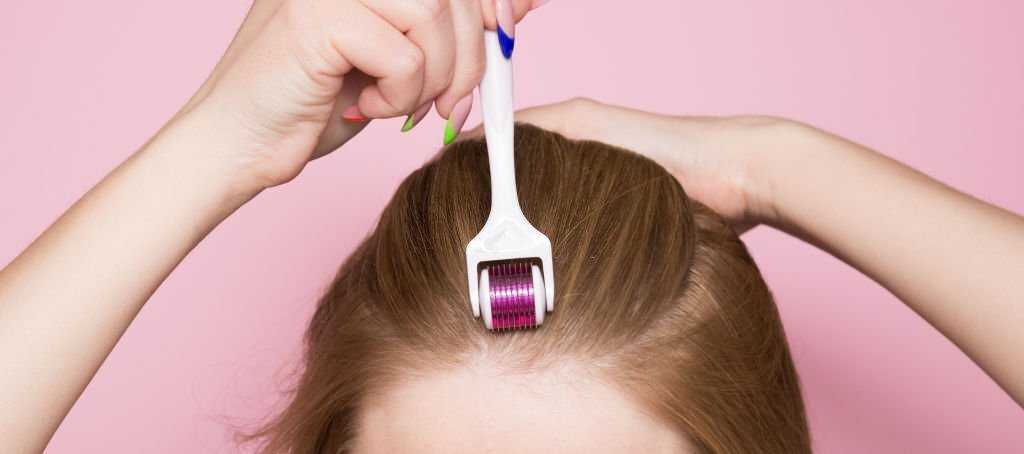
As long as you do it carefully comb your hair, do it in separation groups, and wet the hair before you do derma rolling because that does tend to group the hairs together.
When your hair is wet might make it easy to roll through the area. You can roll in one direction, right, forward, backward, or sideways.
Backward is easy for most people and wet your hair beforehand and don’t cause too much bleeding with the derma roller.


