

Causes of Female Pattern Hair Loss


Causes of Female Pattern Hair Loss
Today we will explain what are the causes of female pattern hair loss, and the genetic and hormonal basis of female pattern hair loss.
Shortly some of the causes of hair loss in women are:
- Genes
- Estrogen
- Testosterone
Unlike men who have a very predictable pattern in which they lose hair women generally don’t. The hair loss is over a larger area so it’s the upper part of the scalp the dome of the scalp.
We get a lot of women that come in and say: I’m losing hair everywhere.
In essence, it’s the entire area of the dome that they suffer from hair loss over their scalp. The majority of women retain their hairline, it may be weaker because it’s not lost like in men. We have a small group of women who have the receding and the temples, the temporal recession but that’s only maybe 20%.
80% of the women we see retain their little hairline it’s just really diffusely thin behind that, so that’s a different looking pattern.
Genes
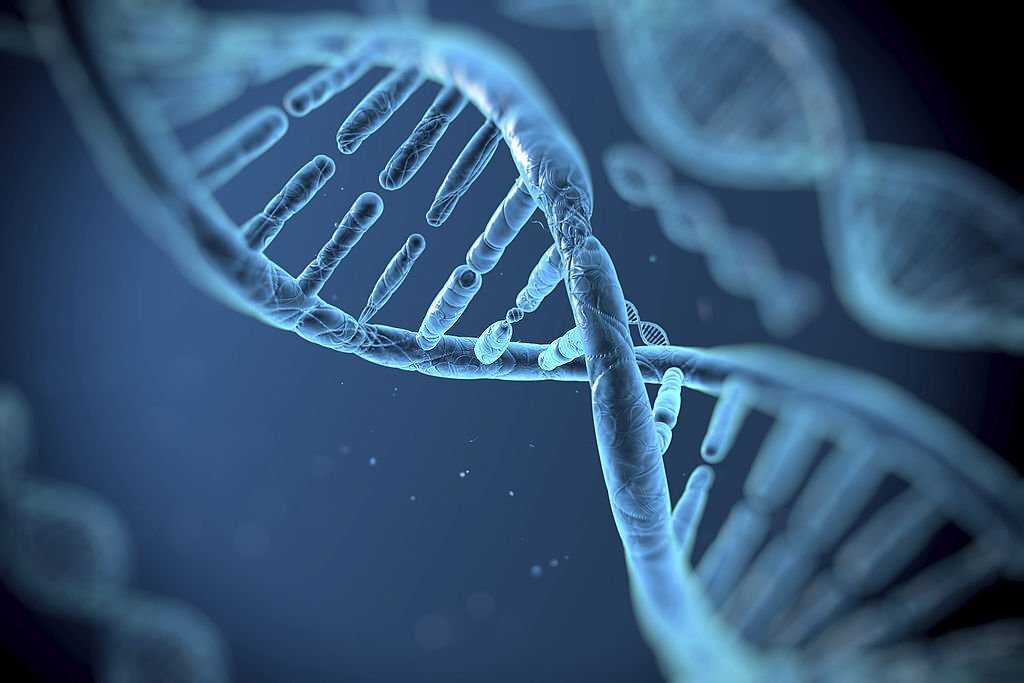
Let’s talk about genetics. Male pattern hair loss is relatively simple, we know that the cause is a genetic component as a hormonal but we don’t really know fully what the cause of female pattern hair loss is.
There are quite a few factors that affect and we’re not sure how much in an individual, how much is it at this, and how much is of that.
First of all, there’s a genetic component you can’t run away from your genes but it’s not clear to all of our women what that component is.
For example, we will say mum comes in sometimes with NRT and they’ll bring in the daughter in her 20s and she studied youth in a pattern similar to mum and the sister so there are some families where the inherence is very clear.
Then there are other women many of them come in and say:
I’m the first female in my family to have hair loss. Then, we searched through the father’s side as well we don’t always find the answer we search through the father’s side.
This is why it’s a bit more controversial because the inheritance pattern is so variable. We think that not all female pattern hair loss is the same. We think that there are different weighted factors in different people.
For example not only do we have to worry about things like hormone levels, and enzyme levels but also the hormones that have to bind the specific receptor. We certainly think that in some of our women the receptor is a little different, in women with a female pattern hair loss than in women without it.
The X chromosome
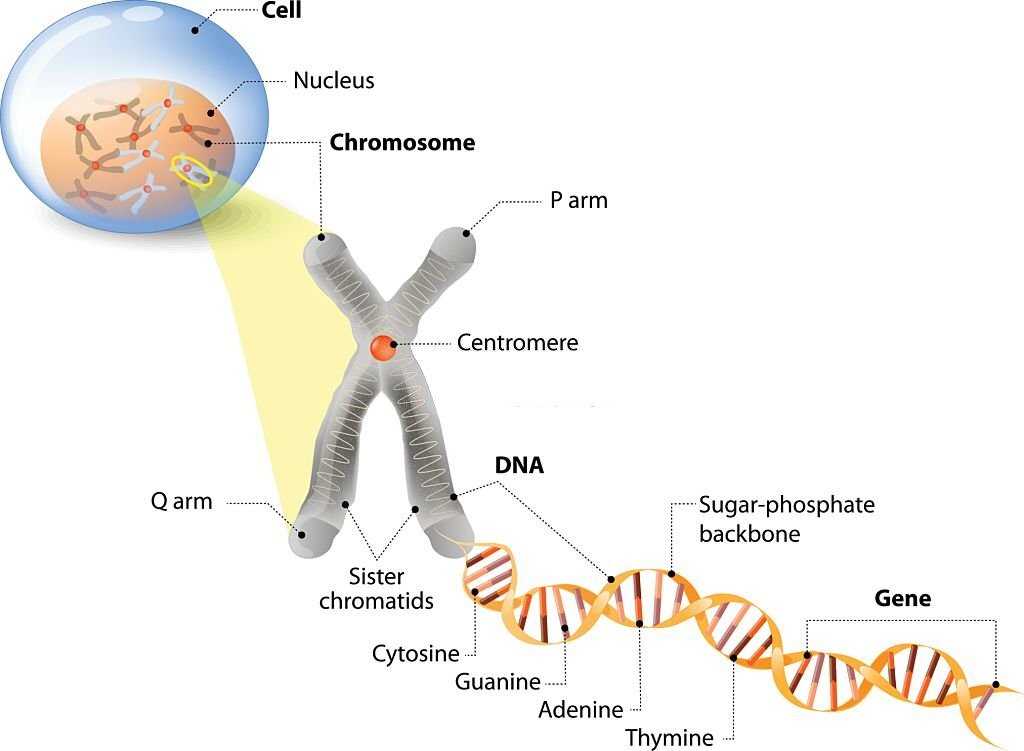
Without getting too technical genetically women are X and X with their sex chromosomes. It’s one of those X chromosomes that actually has the genes that determine the receptor.
If you remember you get 1X from a mum you get 1X from a dad. Only one of them is active in that sense.
That may help explain why the pattern of inheritance is more variable because if you didn’t inherit the active X from your mom but you go to premier dad and that’s maybe why you’re not seeing any females in your side of the family with hair loss. It’s just a theory but it’s a reason.
Estrogen
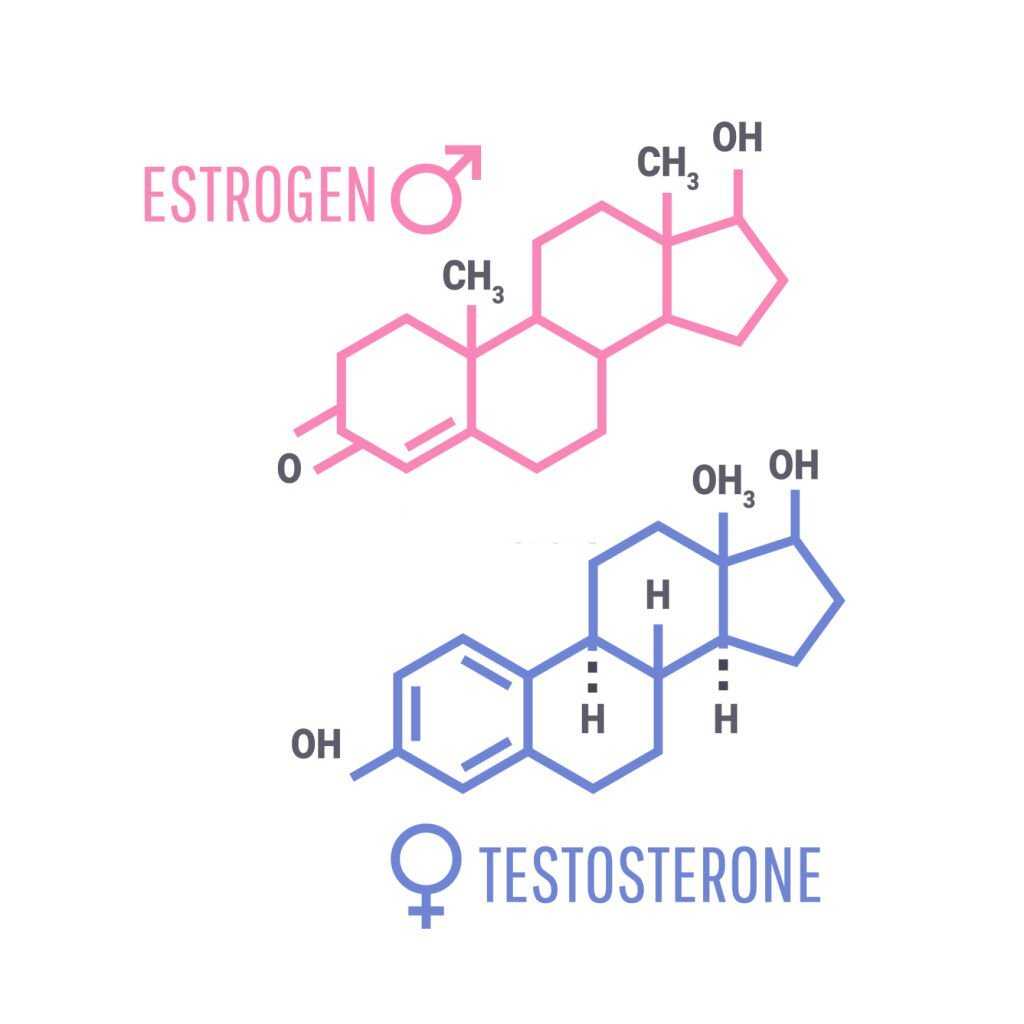
The next factor to influence things it’s hormonal. Estrogen is a female hormone, men have a little bit of estrogen as well but women have a lot of estrogen and it cycles and it has over 400 different functions in the body, it regulates menstrual cycles and all that sort of stuff but we also know that estrogen has a protective effect on the hair.
There are estrogen and estrogen receptors. What happens is that generally speaking estrogen levels decline as you age, because when you go through menopause perimenopause, and menopause these estrogen levels drop even further.
What you find is as the estrogen levels drop the quality of the hair starts to diminish. So we know that estrogen is useful from that perspective.
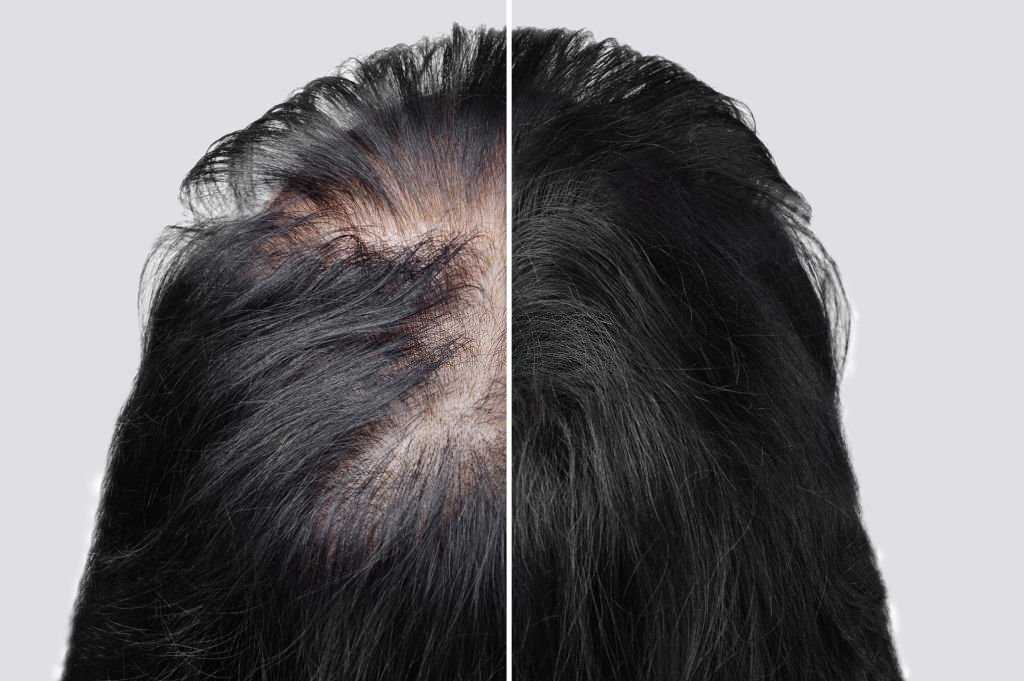
In women, the decline in the shaft typically begins for everybody in their 40s and that’s a function of declining estrogen as they head towards menopause.
So estrogen elongates the growth phase and is protective. The thing to think about it in women is that they’ve got this much estrogen and this much testosterone because believe it or not ladies have some testosterone in their system. So you’ve got this much estrogen and you’ve got this much testosterone maybe you’re not in trouble.
What happens when the issues are asked to decline and the ratio between the estrogen and the testosterone starts to level off. Then we think that testosterone can exert a greater effect.
This is why the common presentation of female pattern hair loss is in women in their late 40s and their 50s. We know their estrogen is declining maybe the testosterone compared to this study more a negative effect on the hair follicles.
Polycystic syndrome
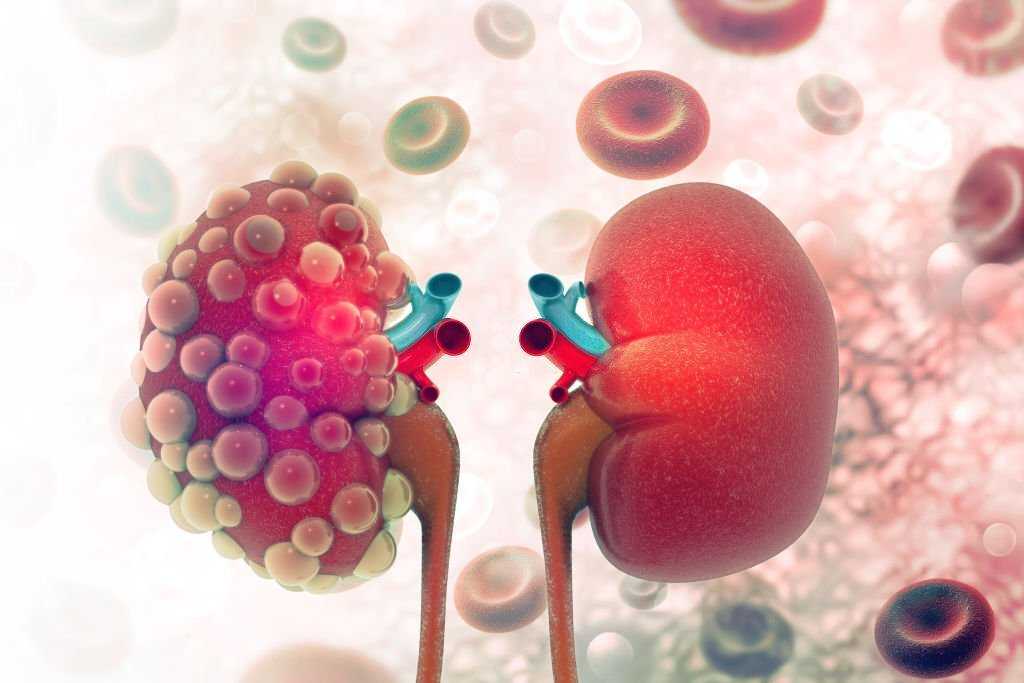
There are a couple of syndromes that are frequently associated with both female pattern hair loss and excessive hair on the face.
Women who get hirsutism as we call it, which is excessive hair on the face. For example, often have some thinning of the scalp as well and that’s often associated with polycystic ovary syndrome or irregular periods and difficulty with fertility.
Without getting too deep into it there, we think about different parts of the equation that come into it. So when we see the younger, we see the women with hair loss, the more we think there’s going to be some kind of abnormality in the hormone or in the receptor situation.
If we’re seeing women not getting found in their 50s then we think that this is predominantly an estrogen depletion effect in these women.
It’s very common as women go through perimenopause and postmenopausal it is exceptionally common that you’re seeing that women are thinning out and that’s predominantly estrogen-related.
Testosterone hormone

We talked about testosterone for men and that’s predominantly the conversion of testosterone to dihydrotestosterone or DHT. This is predominately the cause of male pattern hair loss.
But that is the same sort of principle that may have an effect inside in women as well. If we look at these three again genes we can’t control them, but if we’re looking at female pattern hair loss in women.
Take blood tests
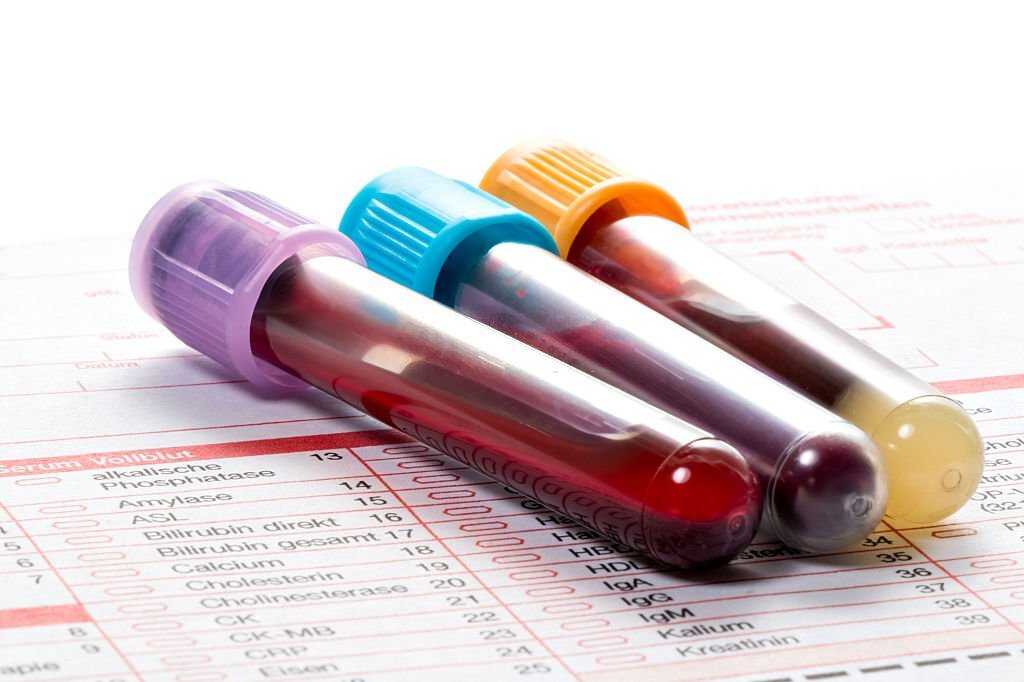
If we’re assuming that estrogen is at play both the hormone and the receptor and testosterone at play or testosterone and conversion to DHT then that will affect how we manage that hair loss. This is where we come back to the blood test.
So in any woman that we suspect of having female pattern hair loss where the lower scalp is more protected and the upper scalp is thinner then we’re going to do some tests.
We’re gonna test for estrogen, we’re gonna test for testosterone, we’re gonna test for thyroid, we’re gonna test about iron storage, there’s a whole bunch of tests that we’re going to do.
The reality is that 99 times out of 100 when we do these tests the results come back to normal. This is fine because we don’t really want women to have problems with estrogen levels or problems with their testosterone levels.
We really want that to be normal so we don’t have to treat that. What we just have to do is deal with the effects of the genes and the influence of even normal levels of hormones in their body.
It’s a very complicated subject even among doctors about cause and effect. In the next few posts, we’re going to take break it down and look at what we can do for our women to make sure that they keep their hair and hopefully strengthen and maintain them.


